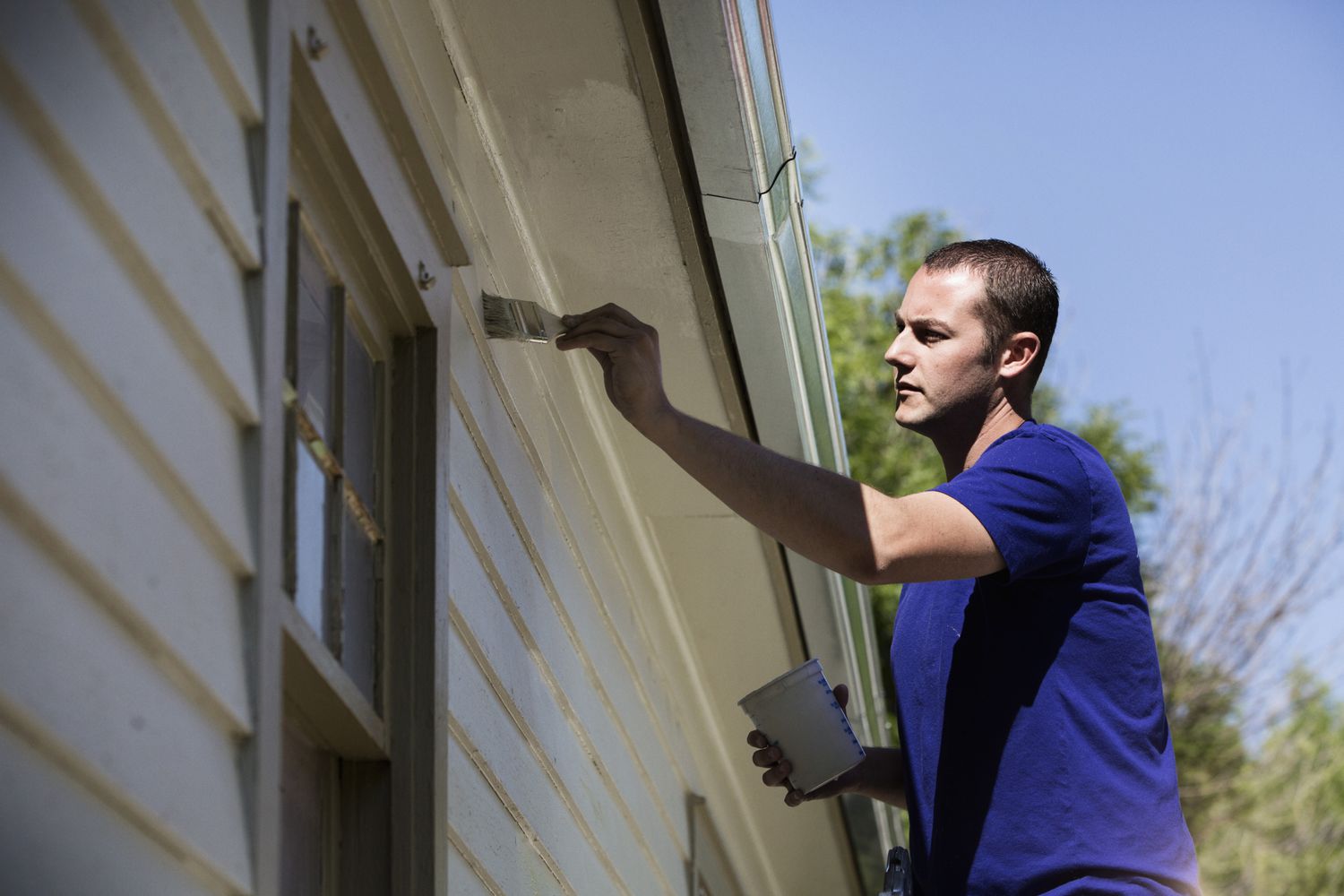
A fresh coat of exterior paint can dramatically improve your home’s appearance, increase property value, and protect it from harsh weather conditions. However, achieving a long-lasting and professional-looking finish requires more than simply applying paint. Proper preparation is one of the most important steps in any exterior painting project.
Whether you’re hiring professional painting services or planning a painting project yourself, preparing your home correctly can ensure better results, reduce delays, and maximize the lifespan of your new paint job.
In this guide, we’ll cover everything homeowners need to know about preparing their property for an exterior paint project.
Why Proper Preparation Matters
Many people focus on selecting paint colors and finishes but overlook the preparation process. Surface preparation directly impacts how well the paint adheres to your home’s exterior.
Benefits of proper preparation include:
- Longer-lasting paint finish
- Better paint adhesion
- Improved curb appeal
- Reduced risk of peeling and cracking
- Protection against moisture damage
- More efficient painting process
A well-prepared surface helps professional painters deliver a smooth, durable, and attractive finish.
Inspect Your Home’s Exterior
Before painting begins, conduct a thorough inspection of your home’s exterior. Look for signs of damage that may affect the quality of the paint application.
Check for:
- Cracked or damaged siding
- Peeling or flaking paint
- Mold and mildew growth
- Water damage
- Rotting wood
- Loose trim or boards
- Damaged caulking
Addressing these issues before painting ensures a stronger foundation for the new paint.
Clean Exterior Surfaces
Dirt, dust, pollen, and mildew can prevent paint from properly adhering to exterior surfaces.
Professional painting contractors typically recommend cleaning:
- Siding
- Brick surfaces
- Trim
- Gutters
- Doors
- Window frames
Pressure washing is often used to remove stubborn dirt, mildew, and old paint residue. Clean surfaces allow the paint to bond effectively and create a smoother finish.
Repair Damaged Areas
Painting over damaged surfaces will not solve underlying problems. In fact, defects often become more visible after the new paint is applied.
Common repairs may include:
- Replacing damaged wood
- Repairing cracks and holes
- Fixing loose siding
- Replacing deteriorated trim
- Sealing gaps around windows and doors
Completing repairs before painting improves both the appearance and durability of the finished project.
Remove Loose and Peeling Paint
If your home’s existing paint is peeling, bubbling, or flaking, it must be removed before repainting.
Painters typically use:
- Scrapers
- Sanding tools
- Wire brushes
Removing loose paint creates a smooth surface and prevents future peeling issues. Areas with extensive paint failure may require additional preparation to ensure proper adhesion.
Protect Landscaping and Outdoor Features
Exterior painting projects can affect nearby plants, furniture, and outdoor fixtures.
Before work begins:
- Trim bushes and tree branches near the home
- Move outdoor furniture away from walls
- Cover plants and flower beds
- Protect walkways and driveways
- Remove decorative items from exterior walls
These precautions help prevent accidental paint splatters and allow painters easier access to all surfaces.
Repair and Replace Caulking
Caulking seals gaps and joints around windows, doors, and trim. Over time, caulking can crack, shrink, or deteriorate.
Inspect and replace damaged caulking to:
- Prevent moisture intrusion
- Improve energy efficiency
- Create clean paint lines
- Enhance weather protection
Fresh caulking also contributes to a more polished final appearance.
Consider Weather Conditions
Weather plays a significant role in the success of an exterior painting project.
Ideal painting conditions typically include:
- Mild temperatures
- Low humidity
- Minimal wind
- No rain in the forecast
Extreme heat, excessive moisture, or sudden temperature changes can affect paint drying and adhesion. Professional painting services carefully schedule projects to achieve the best results.
Choose the Right Paint and Finish
Selecting high-quality paint is essential for long-term performance. Exterior paints are specifically designed to withstand:
- UV exposure
- Rain and moisture
- Temperature fluctuations
- Dirt and pollutants
Professional painters can recommend products that match your home’s material, climate conditions, and aesthetic preferences.
Communicate with Your Painting Contractor
If you’re working with a professional painting company, discuss project details before work begins.
Important topics include:
- Project timeline
- Surface repairs
- Paint colors and finishes
- Access requirements
- Cleanup procedures
- Warranty coverage
Clear communication helps ensure a smooth and stress-free painting experience.
Benefits of Hiring Professional Painting Services
While some homeowners attempt exterior painting as a DIY project, professional painters bring valuable expertise and equipment.
Advantages of professional painting services include:
- Proper surface preparation
- High-quality workmanship
- Faster project completion
- Access to premium materials
- Improved safety practices
- Long-lasting results
Experienced painters understand how to handle challenges and deliver a finish that enhances your home’s beauty and protection.
Conclusion
Preparing your home for an exterior paint project is essential for achieving beautiful, durable, and long-lasting results. From cleaning surfaces and repairing damage to protecting landscaping and selecting the right paint, every step contributes to the success of the project.
Whether you’re refreshing your home’s appearance or increasing its market value, proper preparation can make a significant difference. By partnering with professional painting services, homeowners can enjoy a smooth process and a stunning exterior finish that stands the test of time.